Fabric & Quality
Why Some T-Shirts Lose Their Shape After Washing — And How to Prevent It
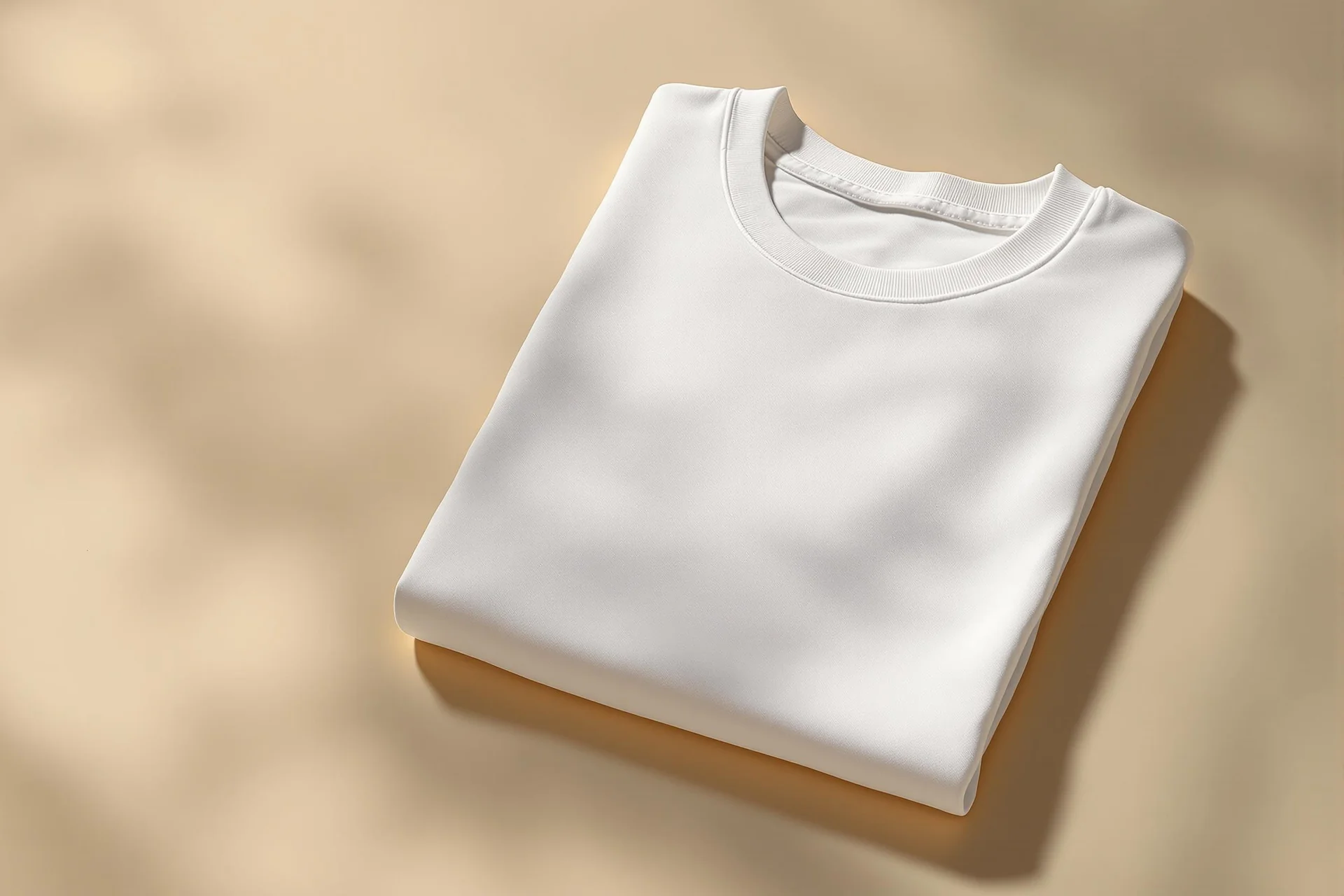
A T-shirt can look perfect when you first buy it. The fit feels right, the neckline sits neatly, and the fabric drapes exactly as it should. But after a few washes, things can change. The collar starts to loosen, the body becomes shorter, the shoulders lose their structure, or the fabric no longer looks as smooth as it once did.
Why does this happen?
The answer is not always poor fabric quality. Washing temperature, drying methods, fabric construction, and everyday handling can all influence how a T-shirt looks and fits over time.
If you want your favourite T-shirts to retain their shape, here is what you need to know.
1. Why T-Shirts Lose Their Shape
Cotton is a natural fibre, and cotton garments can change dimension when exposed to moisture, heat, and mechanical movement. However, not every T-shirt reacts in the same way.
Several factors can affect how well a garment maintains its original fit.
Excessive heat
Hot water and high-temperature drying can contribute to shrinkage in cotton garments. The effect depends on the fabric, how it was manufactured, and whether it was pre-shrunk.
If your T-shirt suddenly feels shorter or tighter after washing, heat may be one of the reasons.
Repeated stretching
Pulling a wet T-shirt while removing it from the washing machine, hanging it heavily from one point, or repeatedly stretching the neckline can affect its shape over time.
Wet fabric can be more vulnerable to distortion, so gentle handling matters.
Fabric and garment construction
The quality of the yarn, the way the fabric is knitted, the finishing process, and the construction of the collar and seams all influence how a T-shirt behaves after repeated wear and washing.
A well-constructed T-shirt is designed with these factors in mind, although no garment is completely immune to wear.
2. How to Prevent Your T-Shirt from Shrinking
One of the simplest ways to protect your T-shirts is to pay attention to how you wash them.
Use cold or cool water. Unless the care label recommends otherwise, washing cotton T-shirts in cool water can help reduce the risk of heat-related shrinkage.
Turn the T-shirt inside out. This helps reduce direct abrasion on the outer surface, particularly when garments rub against one another during a wash.
Choose a gentle cycle. Excessive agitation can contribute to surface wear and pilling. Wash similar colours together and avoid overcrowding the machine.
Follow the care label. Different fabrics, blends, dyes, and finishes can require different treatment. The manufacturer's instructions should always take priority over general advice.
A little care after every wash can make a noticeable difference over the life of a garment.
3. Why T-Shirt Collars Become Loose
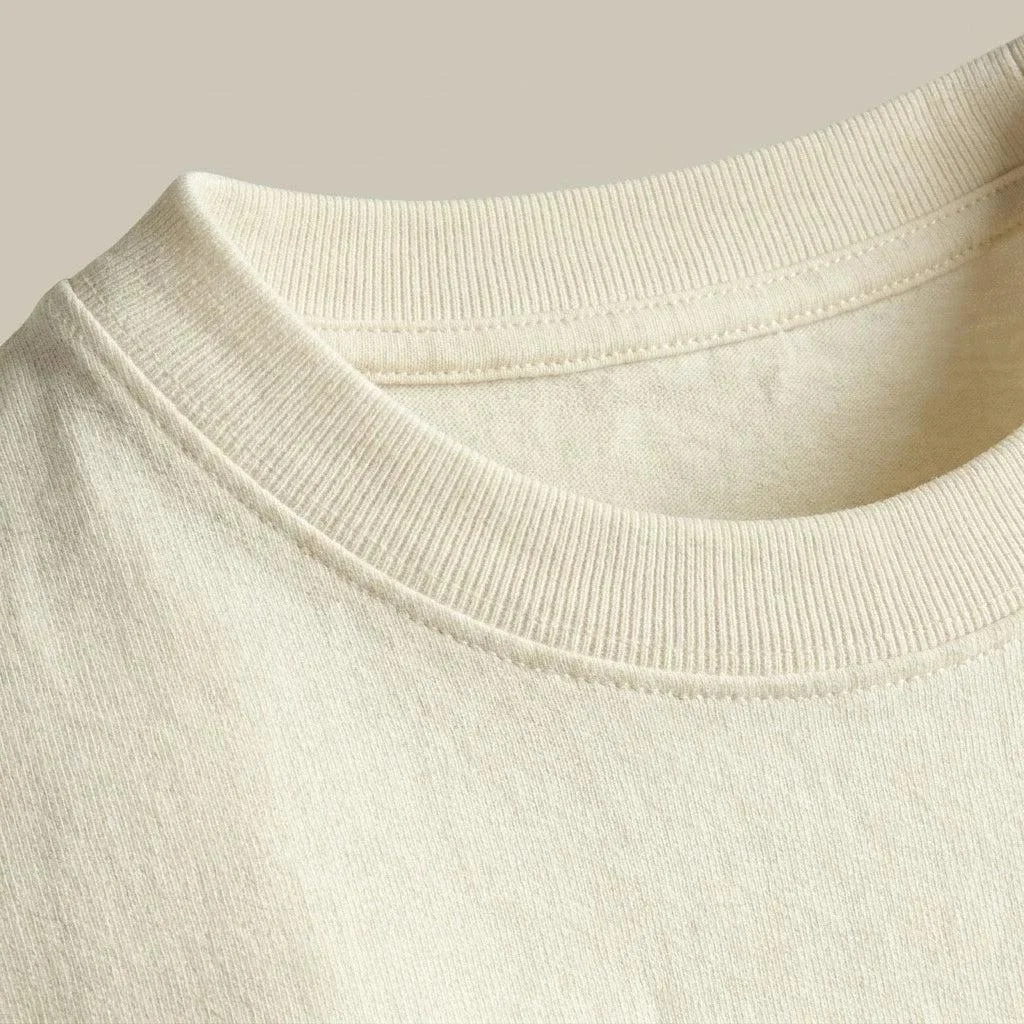
The neckline is one of the most noticeable parts of a T-shirt. Even when the rest of the garment looks fine, a stretched collar can make the entire piece appear worn out.
Most T-shirt collars use ribbed knit fabric because it offers stretch and recovery. However, recovery depends on the material, construction, finishing, and repeated use.
To help maintain the neckline:
A collar that has permanently lost its recovery may not return to its original shape simply through washing differently. Prevention is usually easier than repair.
4. Is It Better to Air-Dry or Machine-Dry T-Shirts?
For many cotton T-shirts, air-drying is a sensible option when maintaining shape and reducing heat exposure are priorities.
After washing, gently remove excess water without twisting the garment aggressively. Smooth out the fabric, restore its natural shape, and dry it according to the care label.
For heavier or oversized T-shirts, drying flat can help prevent the garment from stretching under its own weight. If you hang the garment, support it appropriately rather than allowing the full wet weight to pull from a narrow section.
Machine drying can be convenient, but high heat may increase the risk of shrinkage. If the care label allows tumble drying, a lower-heat setting is generally a more cautious choice.
The best method depends on the specific garment, not simply whether it is labelled premium.
5. How to Keep the Fabric Looking Smooth
A T-shirt can retain its dimensions yet still look older because of pilling, surface friction, fading, or an uneven texture.
Here are a few habits that can help:
Wash similar fabrics together. Rougher garments, zippers, and abrasive surfaces can increase friction against softer knits.
Avoid excessive detergent. Use an appropriate amount for your load and machine. Too much detergent can leave residue if it is not rinsed out properly.
Do not overload the washing machine. Clothes need enough room to move through the wash without unnecessary friction.
Store T-shirts carefully. Folding is often a practical way to store everyday cotton T-shirts. Keep them in a clean, dry space and avoid prolonged exposure to direct sunlight.
Some pilling and fading are natural consequences of repeated wear. Good care can slow these changes, but it cannot eliminate them entirely.
6. What to Look for When Buying a T-Shirt That Holds Its Shape
Care matters, but your choice of T-shirt matters too.
If you want a garment that maintains its appearance over time, look beyond the colour and the feel of the fabric when you first touch it.
Check the neckline
Look for a collar that sits evenly and feels appropriately structured for the design. The ribbing should be consistent, without obvious irregularities or loose stitching.
Examine the seams
Inspect the shoulder seams, sleeve attachment, and bottom hem. Consistent stitching and neat finishing are useful signs of careful construction.
Understand the fabric
Fabric weight, often expressed in GSM (grams per square metre), can help you compare materials. However, a higher GSM does not automatically mean better quality or better shape retention.
Yarn quality, knitting, finishing, and construction all contribute to how the fabric performs.
Consider the fit
A T-shirt should be evaluated according to its intended silhouette. An oversized design is supposed to have a relaxed shape; it should not be judged by the standards of a slim-fit garment.
Look for balanced proportions, a consistent neckline, and a shape that matches how you want to wear it.
Read the care instructions
Care requirements can tell you how a garment should be maintained. Following them from the first wash is a simple way to protect your purchase.
7. The Simple Routine for Longer-Lasting T-Shirts
You do not need an elaborate laundry routine to look after your wardrobe. A few consistent habits are often enough.
These steps will not make a T-shirt last forever, but they can help preserve its fit, appearance, and comfort.
Final Thoughts
A good T-shirt should not be judged only by how it looks on the day you buy it. Its construction, fabric, fit, and the way you care for it all contribute to how it performs over time.
The goal is not to keep every garment looking brand new forever. It is to make thoughtful choices, avoid unnecessary wear, and get more use from the clothes you already own.
At Velveto Life, we believe that good style begins with thoughtful choices. Understanding your garments and caring for them properly is a simple part of building a wardrobe that works for you.